From Sampling to Scale: Choosing Threads That Perform Consistently in Mass Production

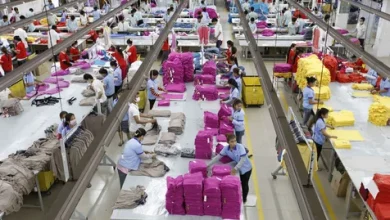
A sample looks great on a table. Bulk is a different world. More machines. More operators. More heat. More dust. If the thread choice is not stable, seams change from line to line and from plant to plant. This guide shows how to choose threads that behave the same in sampling, pilot, and full production so your styles run smooth and look clean.
Why samples can fool you
A single skilled operator and a fresh needle can make almost any thread look perfect. In bulk, dozens of operators run many hours. Guides wear. Tension drifts. Fabrics arrive from different lots. If your thread is too sensitive, you will see pucker, shade shift, skips, or early breaks. The aim is not the absolute strongest thread. The aim is a stable thread that forms the same stitch across many machines and shifts.
Pick a construction that forgives
Corespun polyester is a strong all rounder for apparel seams because the filament core gives strength and the spun wrap gives grip and matte look. For inside comfort, textured polyester in loopers fills the stitch and hides small tension drift. Filament only recycled polyester thread can be fast and sleek, but they need cleaner guides and steadier tension. Choose the structure that your plants can run day after day with low fuss.
Target strength for size
Use the finest ticket that still passes seam strength on your real fabric stacks. Finer ticket allows a smaller needle. Smaller needles make smaller holes. Smaller holes reduce pucker and improve appearance across mixed lots. Record a clear pull target in newtons and require pass in both warp and weft. In stress zones use a higher tenacity version at the same ticket before you jump up a size.
Make needle and stitch length explicit
Sampling teams often use whatever needle is on hand. Lock this down. For most wovens start at NM 80 to 90 with a light round point. For knits, use ballpoint or stretchpoint. For coated surfaces use coated micro round to limit heat. Set construction stitch length around 3-3.5 mm on wovens and 2.8 to 3.2 on many knits. Longer top lines at 3.5 to 4 read calmer. These numbers should be in the tech pack, not just in an email.
Control color routes and lots
Color mismatch ruins photos and shipments. Choose dye routes with proven light and wash fastness for your palette. Where possible, use a single lot per order or per plant. Record lot codes on work orders and cartons. Ask for spectral data for key fashion shades. Sample approval should be tied to that route, not only to a swatch.
Choose finishes that run cool
Heat at the needle causes gloss rings, shrink, and breaks. A smooth low VOC finish reduces friction and lint. If your style faces rain or wet zones, choose an anti wick finish only where needed. In bonded areas near seams, confirm that the finish does not block glue wetting. Run a quick bond check on stitched coupons before you green light bulk.
Plan for machine speed and wear
In scale, machines run longer and faster. A recycled sewing thread that sheds lint or scuffs guides will slow the line. Prefer bonded or clean running constructions for heavy fabrics like denim and canvas. Institute a simple maintenance plan. Swap needles by hours, not by guess. Wipe plates and feet every break. Small habits keep tension stable and seams repeatable.
Pilot tests that predict bulk
Do a short pilot before full cut. Ten garments per size is often enough.
- Seam pull on real stacks in warp and weft. Pick the lightest passing ticket.
- Pucker and press wash once, press once, rest 24 hours. If waves remain, drop needle size or lengthen stitch slightly.
- Run rate test 60 minutes at planned speed. Count breaks, skips, and rethreads. Target near zero.
- Color in mixed light daylight, warm store light, and camera light. Fix route before bulk.
- Edge and corner check radius 6 to 8 millimeters. If whitening shows, increase radius or add a stitch channel.
Standard work for operators
A good thread can still fail if the setup is random. Provide simple cards at each station.
- Needle type and size
- Tension range with a quick pull feel example
- Stitch length in millimeters
- Cleaning steps every break
- Corner radius minimums where turning
- Photos of good rail and bad rail for fast training
Manage fabric and trim variability
Thread is only one piece. If fabric hand shifts between lots, you may need to nudge needle size or stitch length. Keep a first piece sign off for each roll start. If trims like zips or tapes scrape the seam, polish feet or add a light stitch channel so thread sits a little lower and avoids rub.
Troubleshooting quick table
| Problem | Likely cause | Fast fix |
| Pucker on light fabric | Big needle or short stitch | Smaller needle, lengthen to 3.2 to 3.8 mm |
| Skips on knits | Wrong needle point or low looper fill | Ball point, add textured looper, clean guides |
| Shade shift across plants | Mixed lots or route drift | Single lot per order, use spectral match data |
| Lint at guides and breaks | Rough plates or low bond | Polish plates, use bonded style, schedule cleaning |
| Bond lift near stitch | Finish blocking glue or glue flooding holes | Check finish compatibility, keep bond lane 3 to 4 mm, cool clamp |
Tech pack lines you can copy
- Thread family, ticket, and finish for each seam type
- Needle size and point by fabric and panel
- Stitch lengths for construction and top lines
- Corners radius minimum 6 to 8 millimeters
- Tests pull, pucker, run rate, color, and bond next to seam
- Records require thread lot and dye route on the carton and work order
Supplier alignment and audits
Ask suppliers for lot to lot strength, elongation, and friction data. Keep retain samples for each lot you run. Align on complaint response time and replacement policy. A stable supplier with strong process control saves more time than shaving one cent per cone.
Wrap
Consistency from sampling to scale is a design choice, not luck. Pick a forgiving thread structure. Use the lightest passing ticket with the right needle. Lock stitch lengths. Control color routes and lot codes. Prove the setup in a short pilot and give operators clear standard work. Do these steps and your seams will look neat, feel consistent, and pass tests in every plant and every shift.